Camden People’s Theatre
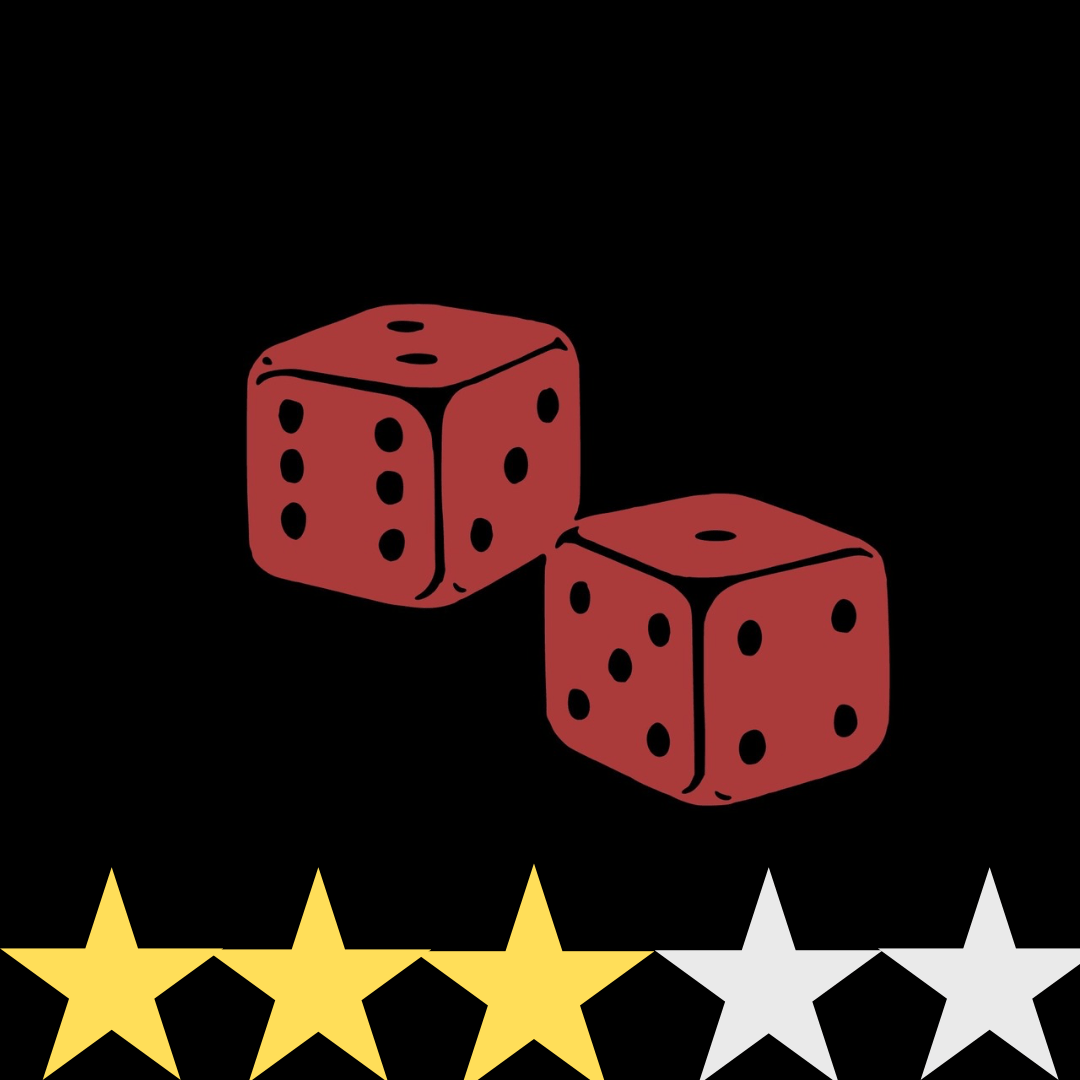
Every so often causes and social problems cycle through the public’s attention, fighting for spotlight in the 24 hours news cycle. Shining a light on an issue that has largely been left on the periphery, Nathan Charles’ When the Fun Stops, Try Again? is an interactive and audience participation-based performance piece on gambling and addiction.
It’s a simple premise; audience members are asked to pick a ball with a number out from a container and read a script with the corresponding number, each script written in the first person on different kinds of addiction, exploring the psychology and emotions that can be elicited by the chosen subject be it trading cards or food. Charles introduces stakes to the entire show with the premise that one of the numbers would win a lucky audience member £500 but one number could also end the show before it starts, with a prize corresponding to the script’s subject for the brave audience participation. Despite the safe space of the theatre, the low risk situation does provide us with a snapshot of how easy it is to fall prey to those feelings.
While quite a low stakes premise, eventually it does trigger the psychological and emotional response, because we start to feel not only that we want to keep going, but that we could, that we’re not going to pick the number that will end the show. The longer the show keeps going, the number of successes we incur, at some point we forget about the jeopardy element, and genuinely begin to feel that sense where it just seems like we will keep ‘winning’. Not only do we start to look forward to the next script but we become confident that we’ll make it to the next and become invested in the outcome.
Each script is a reflective deconstruction on a personal and psychological level as to why we become addicted to different things in the first place, raising questions that really make us think in the moment. They follow a similar structure that indicates a repetitive pattern and overarching similarity, exploring the feelings, first steps before the subject becomes a full blown addiction and then external intervention, often ending on a kind of wry, rhetorical question that opens up the confessional nature to reach into the audience.
“very educational and effective in providing a snapshot at what addiction can do”
Because it relies so much on audience participation and bravery to an extent, it can mean the show moves slowly as people overcome their reluctance to take part. And since the show is audience based, it can’t go forward without it. This often leads to long bouts of silence that just creates a strange atmosphere that just stretches time and perhaps decreases that anticipatory effect that the show attempts to generate. Because of this, the show seems more like a game.
When the Fun Stops, Try Again? Is very educational and effective in providing a snapshot at what addiction can do, and the demonstration of the easiness of triggering the chemical response responsible for addiction is concerning. And it is a privilege to be able to experience it in a safe space like a theatre. While, perhaps a useful piece sociologically, the educational nature seems to be better suited to a classroom setting than perhaps the theatre.
By Katerina Partolina Schwartz
Photo source: Nathan Charles
 Pepper & Salt
Leave a comment